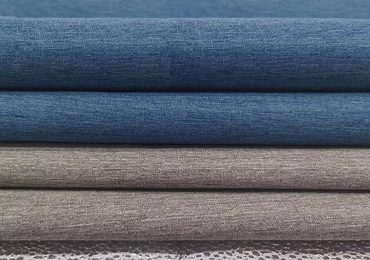
Polyester offers a strong balance between cost and performance. For each order, we confirm the appropriate denier, weave construction, coating, and other specifications.
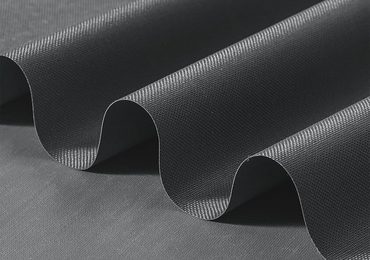
Nylon is commonly used for lightweight, technical, outdoor, and high-performance products. We select the appropriate nylon specification based on your load-bearing and abrasion-resistance requirements, and hand feel.
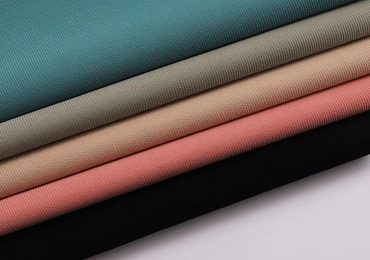
Cotton fabrics provide a natural, comfortable hand feel and a stylish appearance. Before production, we confirm the fabric construction, shrinkage direction, surface finish, and other specifications
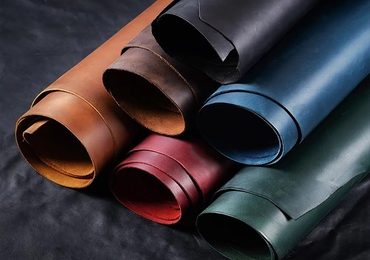
Genuine leather supports a premium market position, develops a distinctive patina over time, and delivers a rich, high-quality tactile experience.
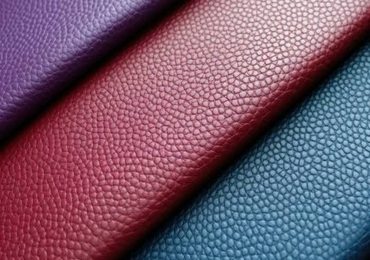
PU leather offers a wide range of surface finishes, colors, textures, and price options. We select production-feasible specification based on the backing, thickness, performance requirements, and branding method.

Microfiber leather is a strong option when your custom bag requires a refined synthetic leather with a specific hand feel or performance target.
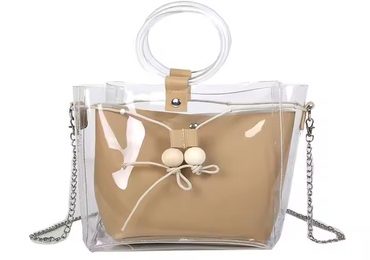
PVC and waterproof vinyl directions can suit easy-clean, transparent, wet-use, cosmetic, cooler, or protective applications.
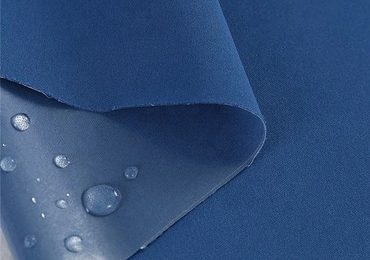
For custom bag projects that require a specific surface finish, greater flexibility, or enhanced water resistance, we may recommend TPU films or laminated materials.
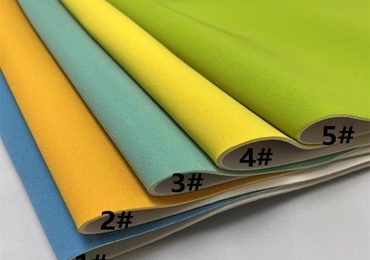
Neoprene can add cushioning, stretch, grip, and a soft technical feel to bottle sleeves, sports accessories, laptop protection, pouches, and selected bags.
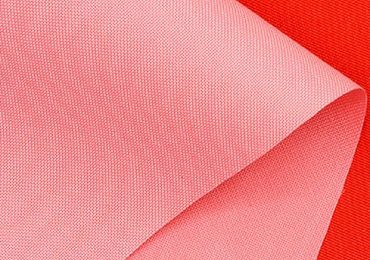
We can also manufacture custom bags using RPET, recycled polyester, and other recycled materials. And we can provide supporting documentation for material traceability and availability claims.
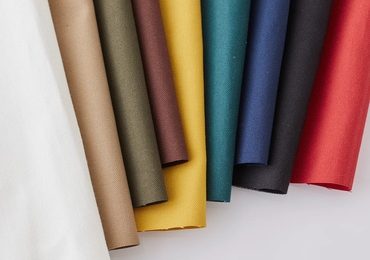
If you require specialty finishes, flame-retardant materials, waterproof vinyl, recyclable materials, or other materials not listed here, contact us with your requirements. AG will evaluate sourcing feasibility
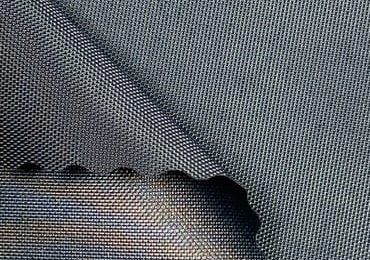
Oxford fabric refers to a type of weave construction. Based on your project requirements, we determine the appropriate fiber type, denier, fabric weight, weave, and other specifications.
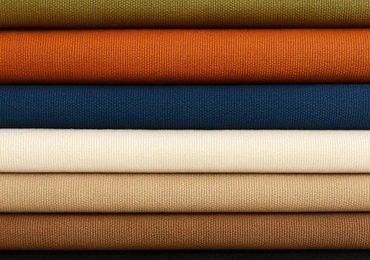
Canvas offers a substantial woven texture and naturally structured appearance, making it well suited for expressing a strong brand identity while providing a good balance of visual appeal and durability.

When a custom bag requires a lightweight technical appearance and enhanced tear resistance, we typically recommend using a ripstop fabric construction

Mesh fabrics can provide breathability, visibility, drainage, stretch, and lightweight construction. We select mesh specification based on the bag’s load-bearing requirements and comfort needs.
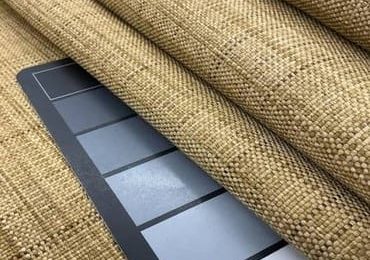
Plain weave can support clean, stable, and cost-conscious fabric directions across multiple material families.
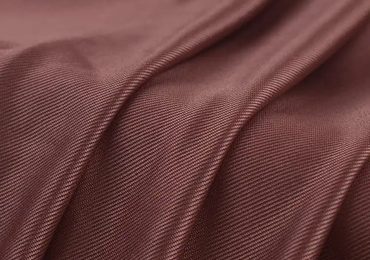
Twill fabric features a distinct diagonal weave pattern and can create either a soft drape or a more refined appearance. We select twill specification based on your brand aesthetic and intended product use.
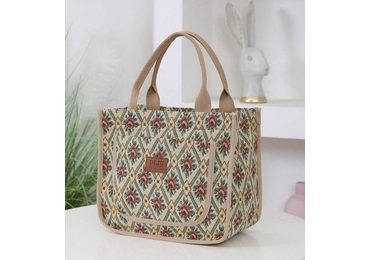
Jacquard can integrate woven texture or pattern into the material for a more proprietary appearance.
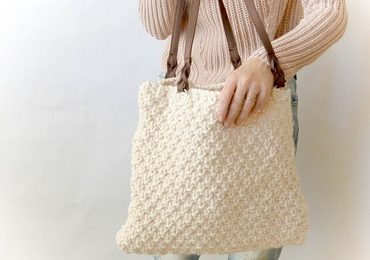
For custom bags that require stretch, softness, breathability, or specialized functional surfaces, we may recommend a knitted fabric construction.
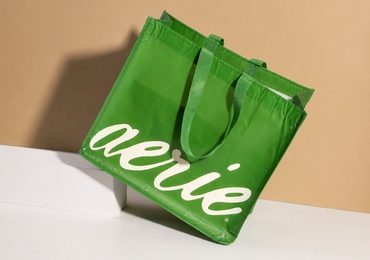
For certain lightweight bags, promotional products, structural components, or lining applications, we may recommend non-woven materials as a practical and cost-effective option.
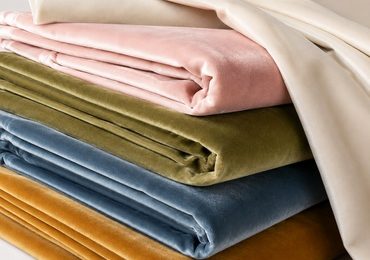
Velvet provides a soft, luxurious look and feel, making it well suited for selected fashion bags, jewelry compartments, cosmetic bags, and display applications.

For custom backpack materials, we recommend using polyester, nylon, Oxford cloth, ripstop fabric, and canvas, as these materials meet the requirements for durability and comfort.
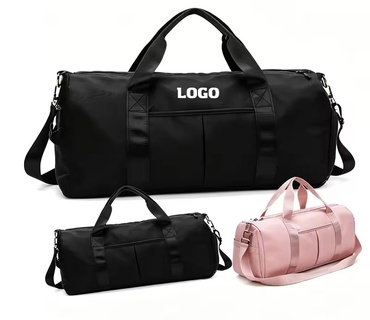
For custom travel bag material, we recommend polyester, nylon, Oxford, canvas, and polyurethane. These materials can withstand repeated loading, handling, contact with the ground, zipper strain, and transportation.
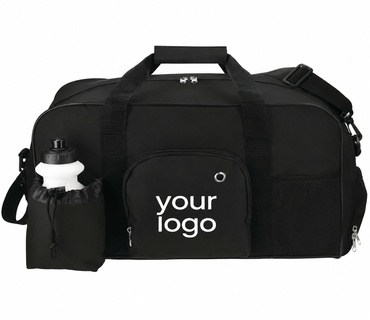
For custom gym bag materials, we recommend polyester, nylon, mesh, neoprene, and PVC. These materials offer practical performance benefits such as breathability, easy cleaning, moisture resistance, abrasion resistance, and durability, depending on the intended use and bag design.
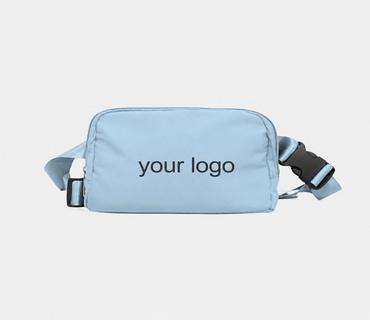
For custom crossbody bags, we recommend materials such as nylon, polyester, canvas, cotton, PU, leather, or blended fabrics. These materials offer a pleasant texture, a nice drape, an attractive appearance, comfortable shoulder straps, and ample storage capacity.
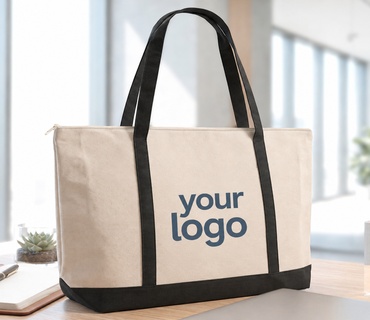
For custom tote bags, we recommend materials such as canvas, cotton, polyester, non-woven fabric, PU, and leather. These materials are selected based on factors such as natural texture, print area, shape, foldability, and promotional costs.

For custom laptop bags, we recommend materials such as nylon, polyester, Oxford cloth, canvas, PU, or leather, which can be combined with foam padding and soft lining.
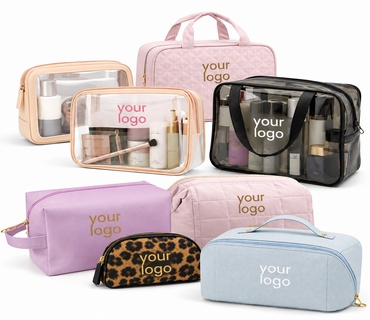
For custom makeup bags, we recommend materials such as polyester, PU, PVC, canvas, cotton, or velvet. These materials feature easy-to-clean surfaces, structured shapes, and a comfortable feel.
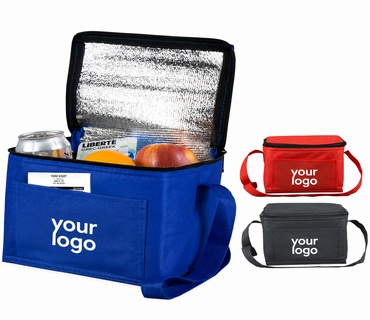
For custom Cooler Bags , we recommend using materials such as polyester fiber, Oxford fabric, and PVC, as these materials can form part of the insulation structure.
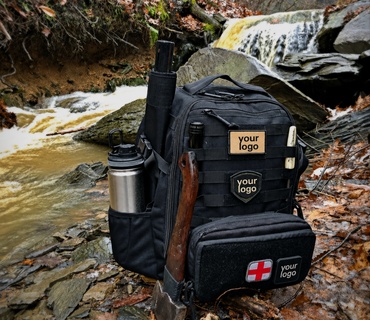
For custom technical, tactical, cycling, hydration, or protective bags, we recommend using tear-resistant fabric, nylon, polyester, oxford cloth, PVC, neoprene, and flame-retardant fabric.
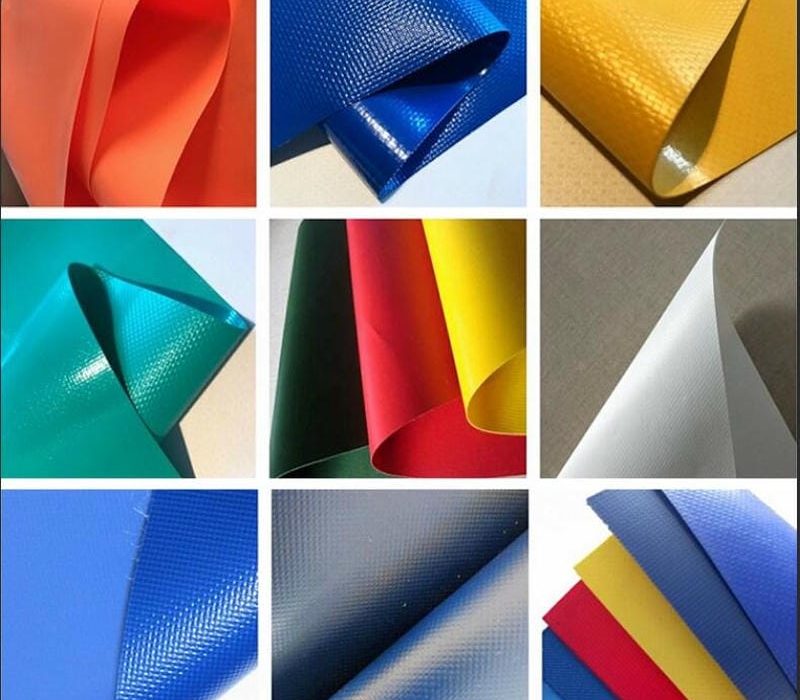
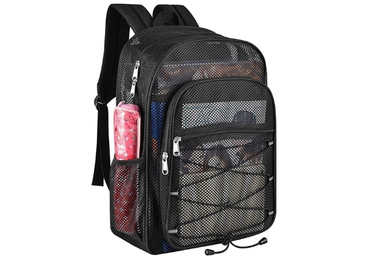
Lightweight nylon, polyester, ripstop fabrics, mesh, and selected recycled materials can help reduce the overall weight of a custom bag

We may recommend higher-denier materials for improved durability. However, overall performance also depends on factors such as fiber type, yarn construction, weaving method, coating, and surface treatment.
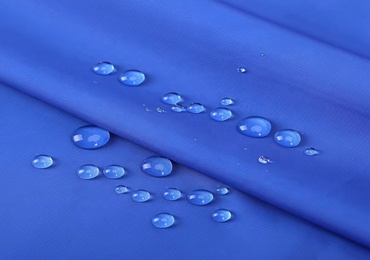
Materials such as coated polyester, nylon, Oxford fabric, PVC, vinyl, and laminated fabrics can help improve a bag’s water resistance and moisture protection
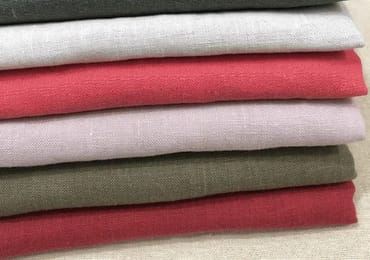
Cotton, canvas, twill, washed finishes, and selected fabric blends can create a warmer, more lifestyle-oriented appearance. We balance texture, drape, structure, and hand feel to match your product positioning and brand aesthetic.
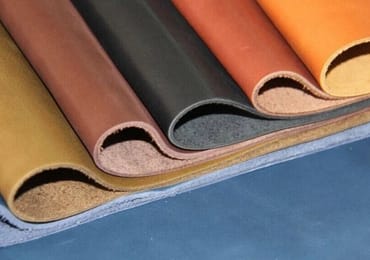
Genuine leather, PU leather, microfiber leather, velvet, coated technical fabrics, and carefully selected material combinations can all help create a more premium look and feel for your bag.
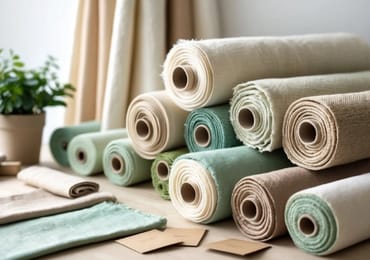
Our RPET and other recycled material options can help meet your specific bag sourcing and sustainability goals.
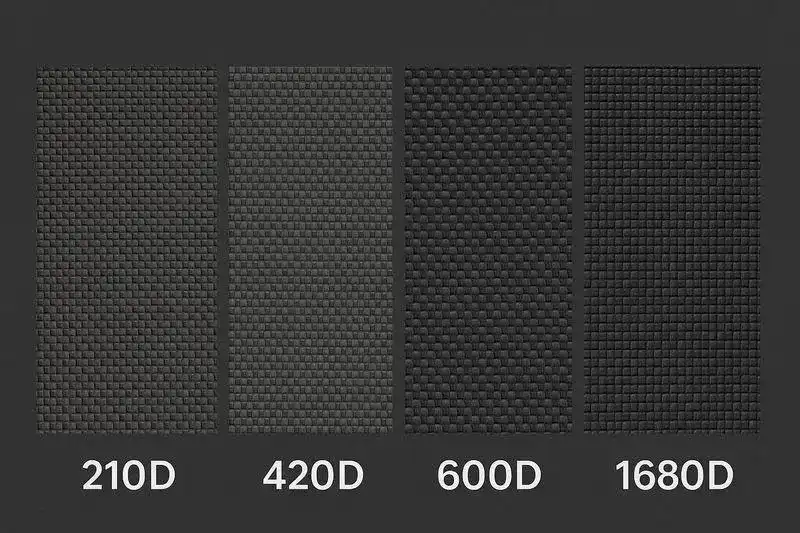
Common denier options include 210D, 420D, 600D, 900D, and 1680D. Lighter fabrics such as 210D or 420D may be suitable for linings or lightweight products, while 600D, 900D, and 1680D are often selected for custom bags that require greater structure, durability, or more demanding performance.
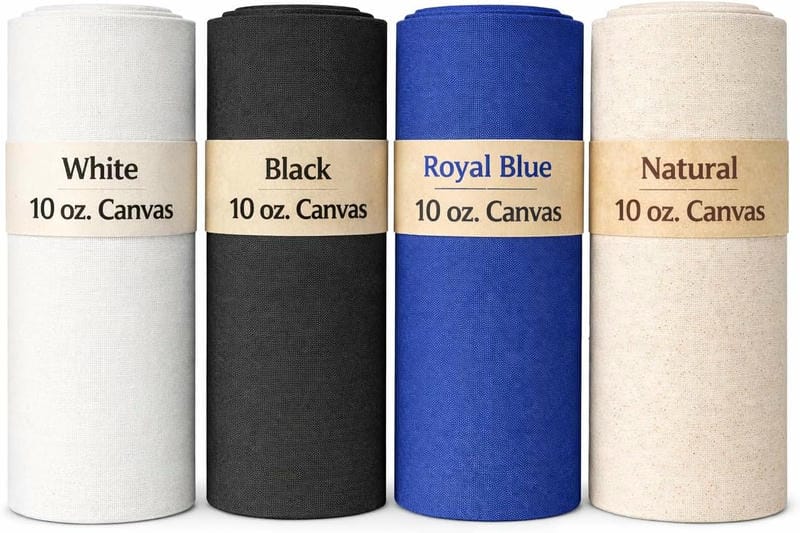
Canvas weight is commonly measured in ounces, with typical specifications including 8 oz, 10 oz, 12 oz, and 16 oz. The final strength and performance of the bag can also be affected by factors such as fiber composition, weave construction, finishing, washing treatment, usable fabric width, and reinforcement methods.